01
The Immunity
A federal inspector general documented a shell plant that produced nothing usable; the contracts continued.
TPPL Media Accountability Briefing
Weekly LeaksA factory files its own failure. A regulator files his gifts. An auditor files its findings. Three records that proved something happened — and proved nothing about what happened next.
In each case the documentation was complete and public, and in each case the arrangement it documented continued unchanged.
A federal inspector general documented a shell plant that produced nothing usable; the contracts continued.
Two FCC commissioners disclosed $12,390 gifts from Paramount and stayed on its business before the agency.
GAO could not verify most of a published federal savings total; the page stayed online unchanged.
Follow the movement of power
Lead case
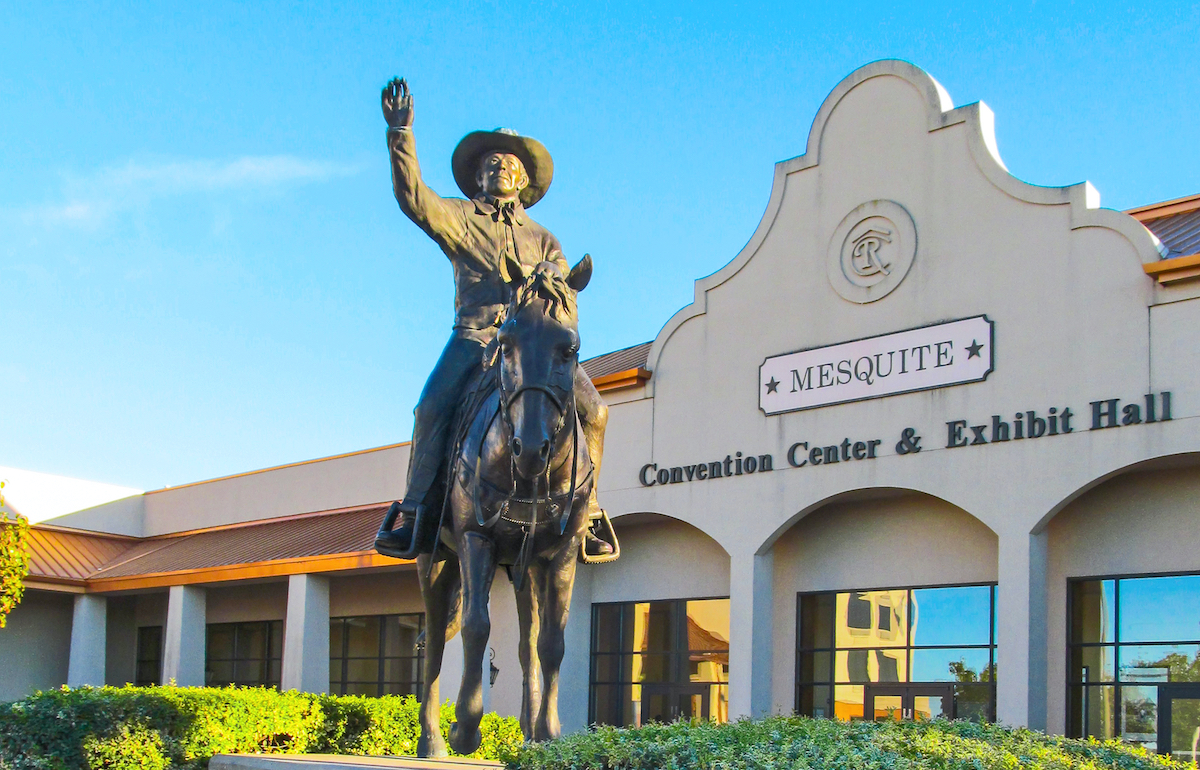
Amid a shortage of 155-millimeter artillery shells, Congress relaxed normal contracting rules and the Army contracted with General Dynamics, without standard competitive bidding, for a new production facility in Mesquite, Texas. The plant opened in 2024.
Inspector general report DOWIG-2026-095, released July 9, 2026, documents that the facility was unable to produce projectile metal parts meeting contract specifications, records broken machinery and halted production lines, and notes roughly $469 million in investment. A footnote records $26,339,252.41 in progress payments. ProPublica reported on August 12, 2026 that the Army attributes a total cost of $533 million and that the plant never produced a usable shell.
The failure was documented by the government's own auditor and reported in the national press. The inspector general's recommendation is narrow: determine whether the contract was appropriately issued and whether any funds can be recovered. The Army has not required repayment, and ProPublica reported $2.5 billion in subsequent awards to the company's ordnance division, which the Army describes as unrelated to Mesquite.
The production failure and the dollar figures are documented in a public federal report and in press reporting. General Dynamics told the inspector general its performance had met or exceeded requirements, and called the ProPublica account a materially false and misleading hit piece. The Army said it is exercising rigorous oversight and seeking recoupment of funds.
This record does not establish that General Dynamics committed fraud, that any individual broke the law, or that the $2.5 billion in later awards was improperly granted. The inspector general does not name individuals and makes no finding of criminal conduct. The report concerns projectile metal parts rather than complete shells, and the $533 million total is attributed to the Army through press reporting rather than stated in the report itself.
Echo of history historical
On November 13, 1968, Air Force cost analyst A. Ernest Fitzgerald testified before a congressional subcommittee that the Lockheed C-5A program faced roughly two billion dollars in cost overruns. The Air Force later confirmed the broad scale of the overrun. Fitzgerald was reassigned and ultimately lost his position. Lockheed did not lose its standing as a primary military contractor. The circumstances are different. The mechanism is the same: documented contractor failure has rarely been sufficient, by itself, to end a supplier relationship the Pentagon considers essential.
One meaningful difference: The 1968 record concerned cost rather than output; the C-5A eventually flew. At Mesquite the shortfall is one of production itself, with no usable parts delivered.
Supporting case
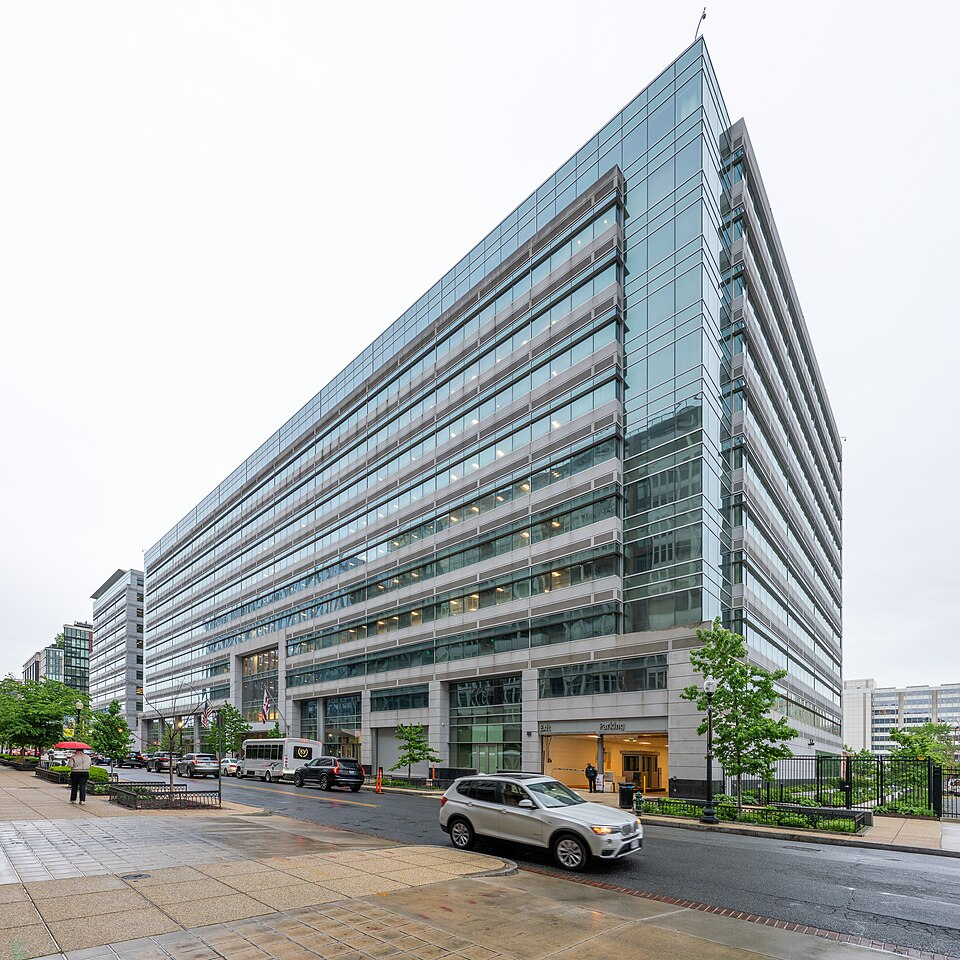
On July 24, 2025 the Federal Communications Commission approved the transfer of control of Paramount Global in order FCC 25-43, with Commissioner Gomez dissenting. On December 7, 2025 Paramount hosted the 48th Annual Kennedy Center Honors gala.
Public financial disclosure filings record the gifts directly. Commissioner Olivia Trusty’s OGE Form 278e lists a $12,390 Paramount gift covering reception, performance and gala for two people on December 7, 2025. Chairman Brendan Carr’s OGE Form 278e lists a $12,390 Paramount gift for the Kennedy Center gala and reception with a guest. Two watchdog organizations — the Democracy Defenders Fund on July 30, 2026 and CREW on July 16, 2026 — asked federal ethics officials to investigate.
Nothing here was concealed. The gifts appear on the forms the disclosure system provides, and the complaints are public. What disclosure does not answer is whether the relationship should have affected participation in the decisions. The Democracy Defenders Fund complaint separately notes that the Kennedy Center listed a private-box package at $125,000, a figure distinct from the $12,390 the commissioners disclosed.
The disclosures and the complaints are documented. The complaints are requests for investigation, not findings. An FCC spokesperson said agency ethics officers had cleared such attendance across administrations, and Paramount has described gala-ticket gifting as a long-standing bipartisan industry practice. No ethics body has adjudicated the question.
This record does not establish that either commissioner broke the law, that any vote was purchased, or that the gifts influenced a decision. A watchdog complaint is a request for review, not a finding of wrongdoing. The $125,000 figure is the Kennedy Center’s listed package price cited in a complaint, not the value either commissioner disclosed.
Echo of history historical
Interior Secretary Albert Fall leased federal petroleum reserves, including Teapot Dome in Wyoming, to oil interests controlled by Harry Sinclair and Edward Doheny without competitive bidding, and received a $100,000 loan from Doheny along with further gifts and bonds. Fall was convicted of accepting a bribe in 1929. Doheny, who supplied the money underlying that conviction, was acquitted of offering it. The circumstances are different. The mechanism is the same: institutional proximity between a regulator and a regulated party, and a consequence that falls unevenly.
One meaningful difference: Teapot Dome involved secret leases and concealed payments that a criminal court ultimately judged. The present record involves gifts disclosed on public forms and a regulatory docket, with no adjudication of any kind.
Closing case
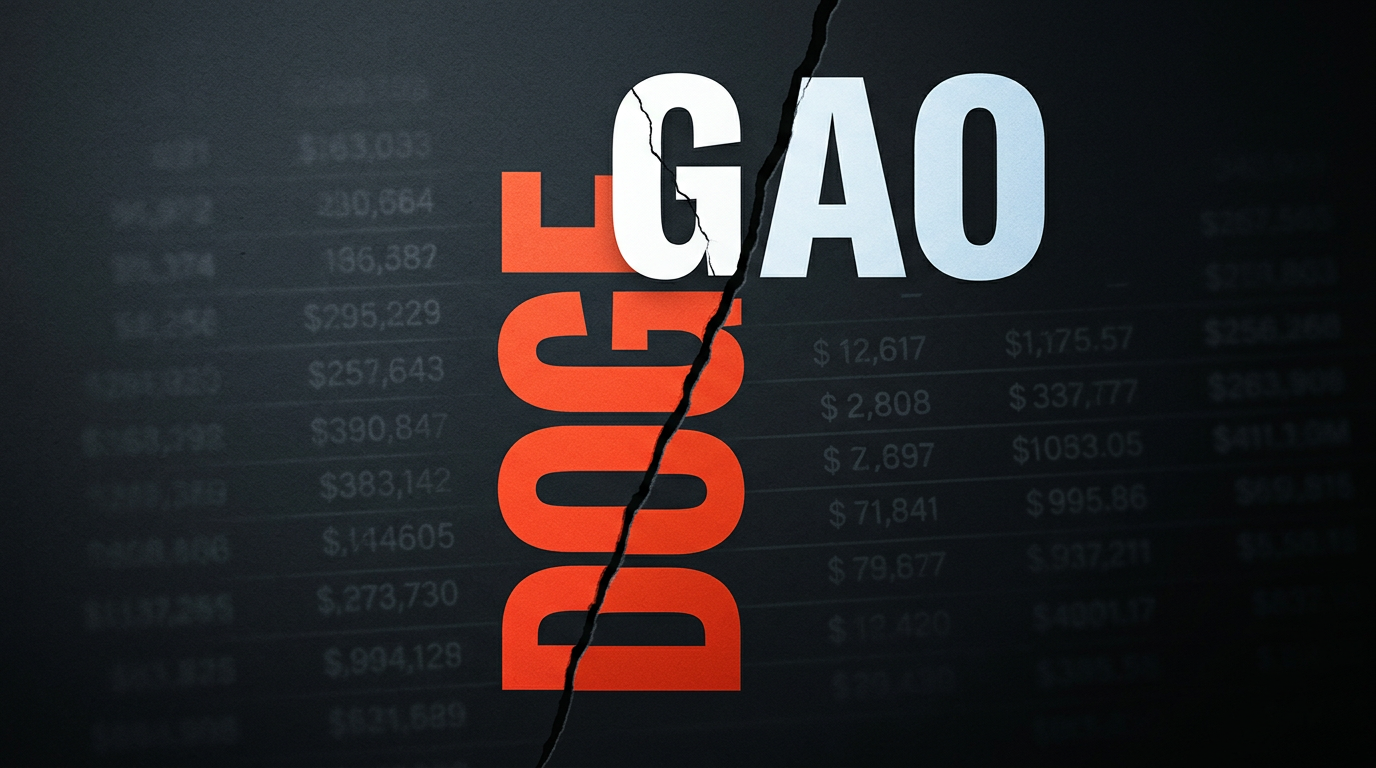
The Department of Government Efficiency published a running savings total on a public page it called the Wall of Receipts, with a headline claim reaching approximately $215 billion, itemized beneath by contracts, grants and leases.
The Government Accountability Office examined the roughly $110 billion in itemized categories it could attempt to check. It could reproduce only 27.5 percent of claimed contract savings using the department’s own published formula. It could not verify 96 percent of claimed grant savings by any method it could construct. In the leases category, the one it could check completely, 72 percent of claimed savings were overstated. GAO also archived the page daily and found 415 lease entries carrying $346 million in previously claimed savings had disappeared without published version history.
The audit was completed and published, and the total remained on the page. GAO reported that the department did not respond to its requests for interviews or information. Some savings were real: in a bottom-up review of 21 Defense and Health and Human Services contracts where $7.5 billion was claimed, GAO confirmed $77.8 million had actually been deobligated, and Congress separately enacted roughly $9 billion in rescissions during 2025.
GAO’s finding is deliberately bounded. It does not conclude that the total is overstated. It concludes that the available record does not permit it to determine whether the figure is overstated or understated — that no verifiable total can be derived from what was published.
This record does not establish that the savings figure was deliberately fabricated, that any official lied, or that the true total is lower than claimed. GAO states the opposite of certainty: the published record does not permit a determination in either direction. Nor does the disappearance of entries establish an intent to conceal.
Echo of history historical
Convened by President Reagan in 1982, the Grace Commission reported in 1984 that its nearly 2,500 recommendations could save $424 billion over three years. The Congressional Budget Office reviewed 396 major recommendations using federal budget-accounting methods and estimated about $233 billion over five years, while noting the two figures were not directly comparable because the commission had described its own as planning estimates rather than budget-quality figures. The circumstances are different. The mechanism is the same: a large published number can keep doing political work after the arithmetic beneath it becomes contested.
One meaningful difference: CBO was able to produce its own comparable estimate from the commission’s recommendations. GAO reported that the Wall of Receipts record did not permit it to derive any verifiable total at all.
Historical Verdict
The failure was documented by the government’s own auditor, and the supplier relationship continued.
The gifts were entered on the disclosure forms, and the disclosure became the answer to the question it raised.
The audit was completed and published, and the unverifiable total stayed on the page.
A factory filed its failure. A regulator filed his gifts. An auditor filed its findings. None of these records proves a crime, and each contains the responses of the parties involved — a contractor asserting it met its requirements, an agency stating its ethics officers had cleared the tickets for years, an auditor declining to say whether a total was too high or too low. What they document together is narrower and more durable: documentation and accountability are two different achievements, and only the first one happened here, three times. The weekly verdict is no demonstrated movement because in each case the record was complete, public, and available — and the arrangement it described continued unchanged.
| Case | Mechanism | Pillar | Direction | Echo | Status |
|---|---|---|---|---|---|
mesquite-2026A Factory That Filed Its Own Failure | The Immunity | The Vertical Axis | No demonstrated movement | 1968 | Verified |
fcc-gala-2026A Regulator That Disclosed Its Gifts | The Immunity | The Dupe State | No demonstrated movement | 1929 | Unresolved |
wall-of-receipts-2026An Audit That Changed Nothing | The Immunity | The Dupe State | No demonstrated movement | 1984 | Unresolved |
Get the rest of this week’s cases, the historical Echoes, and the documents behind every finding.
By subscribing, you agree to receive emails from The Purple People Leader. We respect your privacy and will never share your information. Privacy policy.
No spam. Just receipts.
Corrections are appended to the public record. The original remains visible, with what changed and why.